California has entered the final phase of construction on what will become the world's largest wildlife crossing, a groundbreaking project designed to save mountain lions and other species from extinction while protecting hundreds of thousands of daily commuters.
Gov. Gavin Newsom announced the milestone for the Wallis Annenberg Wildlife Crossing, which spans U.S. Highway 101 in Agoura Hills and is expected to open by fall 2026.
"Today, the state is beginning the final phase of construction for what will soon be the largest urban wildlife crossing in the world – all thanks to the visionary work of state, federal, and private partners," Newsom said. "The Wallis Annenberg Wildlife Crossing will soon protect Los Angeles' native wildlife and over 300,000 drivers daily, as well as provide a cutting-edge model for urban wildlife conservation."
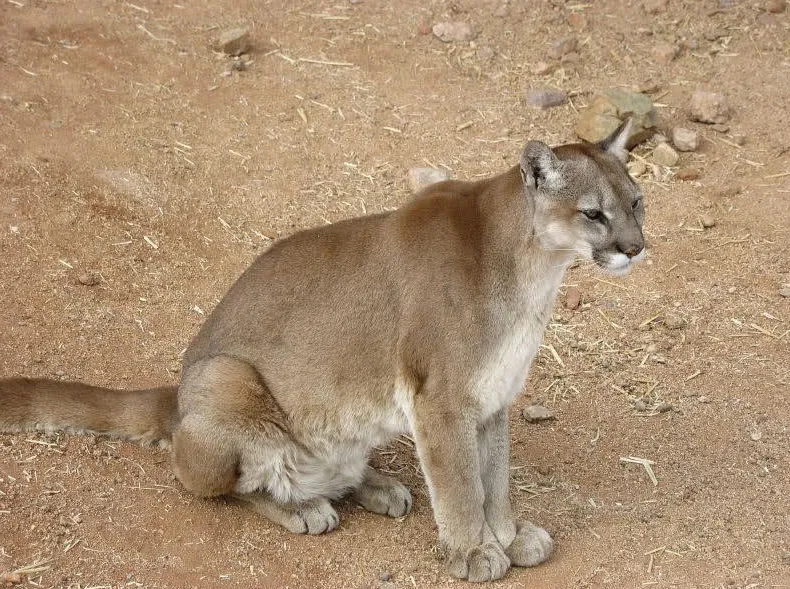
The $90-93 million project addresses a critical conservation crisis. National Park Service biologists have found extremely low genetic diversity among mountain lions in the Santa Monica Mountains, with one study estimating the isolated population could go extinct within 50 years without new genetic exchange.
The 10-lane freeway has created a deadly barrier between the Santa Monica Mountains to the south and the Simi Hills and Sierra Madre ranges to the north, effectively isolating animal populations on either side for decades.
Construction began on Earth Day 2022, but the project faced delays from heavy winter rains and flooding in 2022 and 2023 that forced crews to repeatedly halt work. Originally planned for completion in 2025, the timeline was extended as engineers dealt with complex utility relocation and creek stabilization work.
The first construction phase, completed this year, installed 82 massive concrete girders weighing 26 million pounds total across the freeway span. Workers laid 6,000 cubic yards of living soil across the bridge structure in preparation for fall planting of more than 50 native species.
The final phase involves extending the wildlife crossing over two-lane Agoura Road, requiring significant earthmoving, restoration of natural water flow, protection of century-old heritage oak trees, and coordination with multiple agencies to relocate utilities along the freeway corridor.
The project represents a remarkable public-private partnership. The state of California has contributed $58.1 million, while philanthropic donors have provided over $34 million. The crossing bears the name of its largest private donor, Wallis Annenberg, whose foundation made a record $25 million challenge grant that jump-started fundraising in 2021.
Additional private support came through the #SaveLACougars campaign led by the National Wildlife Federation and Santa Monica Mountains Fund, attracting contributions from over 5,000 people, foundations and businesses.
The vegetated bridge will create nearly one acre of native habitat over the freeway, with plans calling for about 5,000 native trees, shrubs and plants including coast live oak, toyon, ceanothus, sagebrush and buckwheat. The total project includes restoration of 12 acres of habitat on the bridge and surrounding areas.
A dedicated nursery was established using locally collected seed stock from over 1.1 million seeds representing more than 50 native plant species. Mycologists even collected local fungi to create soil inoculum as part of recreating a "hyper-local" habitat.
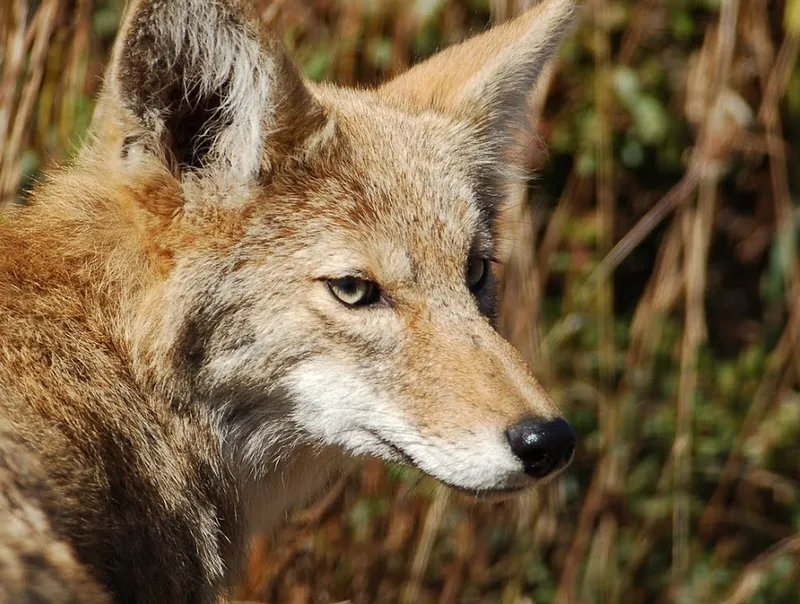
Wildlife expected to benefit includes mountain lions, bobcats, coyotes, foxes, mule deer, lizards and birds. The crossing will also reduce wildlife-vehicle collisions on the busy highway stretch.
Nature may already be embracing the structure. A wild Western fence lizard was recently spotted basking atop the unfinished bridge – potentially the project's first user.
The crossing excludes human access, with no hiking trails or public walkways planned. Sound walls and berms will buffer traffic noise, while textured, matte materials will dampen light and sound to help animals feel safe crossing.
Similar wildlife crossings worldwide, from Canada's Banff grizzly bear overpasses to Europe's "ecoducts," have demonstrated that animals readily adapt to such structures.
California's Natural Resources Agency has praised the project as a model "nature-based solution" that will help wildlife adapt to climate change by securing larger, connected habitats in a rapidly urbanizing region.