
The rental market has been transformed due to the Florida real estate boom. City renters in Miami, Tampa, Orlando, and Jacksonville are moving more frequently than ever, with apartments filling up quickly when leases end. In this rush, one thing is consistently left behind: security deposits. Thousands of renters never get their deposit money back not because they did not owe them, but because the money silently just became unclaimed.
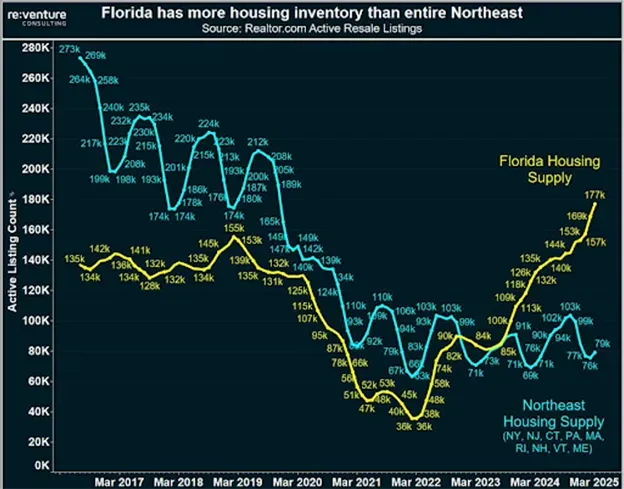
Millions of dollars in deposited rentals remain unclaimed across Florida in most instances; frequently left behind when changing jobs or moving, at graduation, or when buying a house. Many former renters assume the money is gone forever. It is not. Former renters are likely to have hundreds of thousands of dollars in deposits. This article explains why security deposits go unclaimed, the average amount, a Florida renter's rights, and the specific process for reclaiming lost deposits.
Why Security Deposits Become Unclaimed
In Florida, renters change abodes often, particularly in areas where there is a competitive rental market. College students drop out and move out. Young professionals migrate to seek employment. Families buy homes and exit rentals quickly. During COVID, many leases were broken early or ended under unusual circumstances. Property management companies also change hands, merge, or sell properties, creating gaps in record-keeping.
Security deposits are often lost for simple reasons. A landlord may mail a refund check to an old forwarding address. Forwarding orders expire. Checks are mailed to a different unit or an address that has expired. The property management companies can switch names or ownership and this can make it hard to tell where the deposits are. Smaller deposits are sometimes ignored by renters who assume the effort is not worth it. Disputes over deductions may never be resolved, leaving money in limbo.
Florida's rental landscape adds complexity. High turnover rates, large corporate property managers, student housing near major universities, seasonal rentals, and vacation property conversions all increase the likelihood that deposits slip through the cracks. According to Zillow's Florida rental market insights, rental churn remains significantly higher than the national average, creating ideal conditions for unclaimed rental deposits.
How Much Money Are We Talking About?
Security deposits in Florida are not small change. Standard deposits usually equal one to two months’ rent. In warm markets, that usually translates to 1-500 or 1-700 and up. The deposit may be as high as between 5, 000 and 10, 000 as a requirement in luxury rentals. Deposits on student housing normally vary between $500 and $1,500. Jointly held deposits may range from $ 300 to $ 800 per individual.
Many renters forget that additional deposits may also be refundable. Pet deposits often range from $200 to $500. Last month’s rent can equal another full rent payment. Parking, key fob, utility, and amenity deposits add up quickly. Over multiple rentals, even modest amounts can become substantial.
Real-world examples make this clear. A tenant who changed homes five times during a decade may find it easy to abandon a deposit of more than 7000 dollars. The subject is a college student who spent four years staying in four apartments and could be holding onto a total of $ 2,500 worth of unclaimed funds. The cost of losing the amount of money can be as high as 4,000 or more which a young professional may not be aware of when he or she moves to work every few years.
Your Rights as a Renter in Florida
The Florida legislation offers articulate guarantees on security deposits to the renters. Generally, the landlords are obliged to refund deposits within a set time, normally 15 to 60 days, depending on the strength of deductions. Itemized deductions are required, and deposits must be handled in accordance with specific rules while held.
You are entitled to your full deposit if you fulfilled your lease, provided proper notice, caused no damage beyond normal wear and tear, and left the unit in acceptable condition. Normal cleaning, routine maintenance, and everyday wear are not valid reasons for withholding deposits. Repairs that fall under the landlord's responsibility cannot be deducted.
If a landlord fails to return your deposit and cannot locate you, the money eventually becomes unclaimed property. Your right to that money does not expire. You can claim it years later. Specific cases are the roommate deals with a common interest, termination of the lease early, eviction, the sold property where tenancy existed and the foreclosed renting. Tenant-focused resources, such as Nolo's renters' rights guides, explain deposit rules in plain terms, free of legal jargon.
How to Search for Your Lost Security Deposits
Start by rebuilding your rental history. List every Florida address you rented, approximate dates, landlord or property management company names, deposit amounts, and roommates. Even partial information helps.
Former renters can Reclaim lost funds from security deposits by searching databases that include unclaimed rental deposits from across Florida.
Search using your full legal name and any previous names. Enter each rental address separately. Include old phone numbers if possible. Search landlord and property management company names, including former names, since many companies merge or rebrand. If parents co-signed your lease, search their names as well. Roommates may have unclaimed portions tied to their identities.
Timing matters. Search if you did not receive your deposit within 60 days of moving out. Search again after property management mergers. Make it an annual habit, and revisit searches when you remember older rentals.
Common Security Deposit Scenarios in Florida
College students renting near UF, FSU, UCF, UM, and other universities often lose deposits after graduating and moving away. Co-signing and summer sublets confuse. Young professionals move to new apartments and relocate when promoted. Snowbirds and seasonal renters leave winter rentals behind without tracking deposits. Shared housing situations can result in unclaimed portions when one roommate claims their share and others do not. Property conversions, condo sales, and management changes frequently disrupt deposit records. Moving-focused platforms, such as Apartment List's relocation resources, highlight how transitions often create financial loose ends.
What to Do If You Find Your Security Deposit
If you locate a deposit, you will typically need a government-issued ID, proof of current address, and proof of tenancy, such as a recent lease or mail sent to the rental address. Some claims require verification of deposit amounts.
Processing times vary. Smaller amounts often take four to eight weeks. Big deposits can require two to four months. In case of a lack of documentation, affidavits, bank statements or roommate confirmation can be of help. In case of discrepancy, the undisputed part is normally considered proprietary to you.
Conclusion and Call to Action
Renters work hard for their money, and security deposits are your money, not your landlord's. Florida’s rental boom has created millions in unclaimed deposits sitting untouched. Whether you rented two years ago or twenty, that money still belongs to you.
Do not let your hard-earned deposit sit unclaimed. Search every place you have rented, reclaim what is yours, and share this information with friends who have lived in Florida. Your deposit money is waiting.
