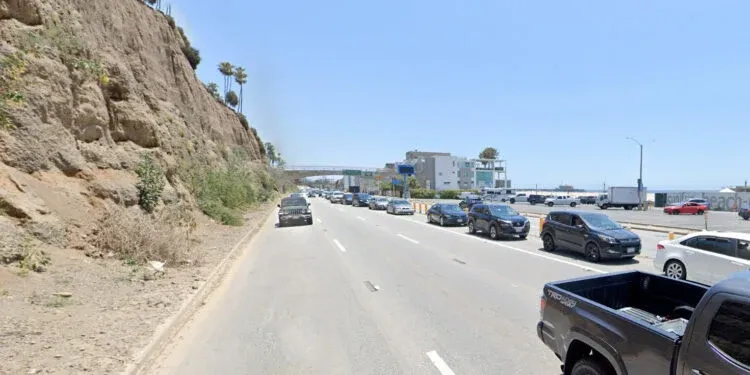
Malibu Takes Emergency Steps to Aid Struggling Businesses After Fire, Highway Closure
Facing an estimated $36 million annual economic loss following recent wildfires and the prolonged closure of Pacific Coast Highway, Malibu city officials are implementing emergency measures to help local businesses survive what one council member described as devastating economic conditions.
The Malibu City Council voted 4-1 on May 21 to suspend a scheduled minimum wage increase and fast-track changes to business event regulations, as sales tax collections have plummeted 40 to 50 percent in recent months.
The council approved Ordinance No. 525 on first reading, which would freeze the city's minimum wage at current levels instead of implementing the annual Consumer Price Index adjustment scheduled for July 1, 2025. The ordinance will return for final approval at a future meeting.
"We need to help our local businesses," said one council member during discussion of the Planning Commission's recent work on business permits. The city has been grappling with how to support commerce while residents and business owners recover from fire damage and the economic disruption caused by highway closures that have limited access to the coastal community.
However, the minimum wage freeze drew opposition from one council member who argued that helping the business community should not come "on the backs of the most vulnerable employees." The dissenting member noted they had opposed similar measures when the council previously directed staff to pursue the wage freeze.
The council also moved to expedite changes to regulations governing business events and temporary signage. Staff explicitly stated the purpose of the proposed zone text amendment is "to help our businesses" by making it easier to host events that could draw customers and revenue.
Under the current system, all business events require a Temporary Use Permit submitted 35 days in advance, with businesses limited to six events annually. The proposed three-tier system would create different requirements based on event size, potentially allowing smaller gatherings with just three days' notice and no public notification requirements.
The council bypassed its usual committee process and directed the Planning Commission to hold a public hearing on the event regulation changes, signaling the urgency city officials feel about providing relief to struggling businesses.
The economic crisis has been building since the fires and highway closure disrupted normal business operations and tourist traffic that many Malibu businesses depend on. An economic impact report presented to the council estimated the annual loss at around $36 million for the local economy.
The dramatic drop in sales tax collections — down 40 to 50 percent according to city reports — has created a cascading effect on both business viability and city finances. Officials have discussed the potential benefits of reopening Pacific Coast Highway, though council members have expressed concerns about highway conditions and security once National Guard presence ends.
Some business owners may not be prepared to capitalize on increased traffic even if access improves, officials noted, citing the short notice and ongoing recovery challenges facing many establishments.
The council has acknowledged that the city lacks formal structures like an economic development section to systematically address business needs during the crisis. One council member suggested establishing a legislative platform or holding workshops focused on economic support actions.
The urgency of business support became evident in recent Planning Commission discussions, where council members have observed decisions directly impacting individual businesses. One council member noted strong community support for allowing businesses like the Rafi Lounge at the CE View Hotel to operate, calling such approvals essential for helping local businesses survive.
The city's Business Micro Stabilization Grant Program remains available to help independently owned businesses, though specific details about grant amounts and deadlines were not provided in the council discussion.
The Planning Commission is expected to develop specific recommendations for the event regulation changes, which would then return to the city council for final approval. The commission's review will determine whether the proposed three-tier system moves forward or requires modifications.
As Malibu continues recovery efforts, city officials are balancing immediate business relief needs against broader policy considerations and employee protections. The debate over the minimum wage freeze highlighted tensions between supporting business owners and protecting workers during the economic downturn.
The next steps for both the minimum wage ordinance and event regulation changes will depend on upcoming council meetings and Planning Commission recommendations, as the city works to implement what officials hope will be effective economic recovery measures.