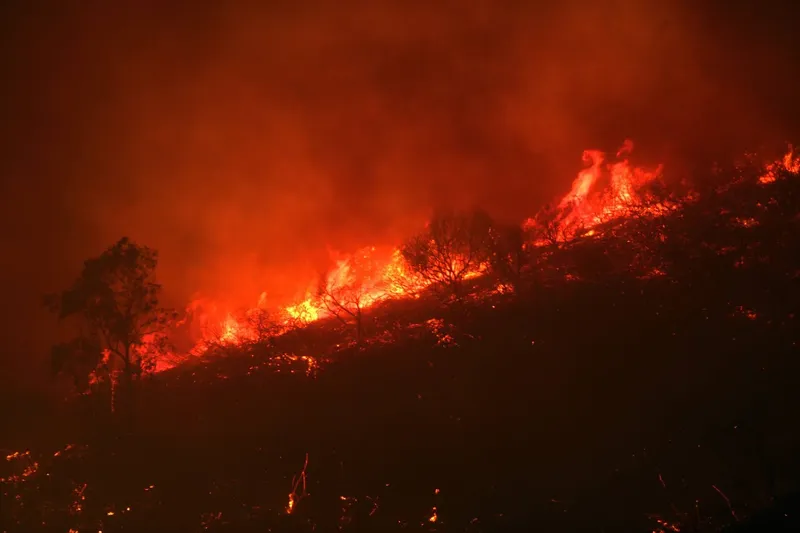
Gov. Gavin Newsom issued an executive order allowing homeowners rebuilding from January's devastating wildfires to use less stringent building standards, drawing criticism from environmental advocates who say the move will result in more expensive, polluting homes.
Executive Order N-29-25 permits fire victims to rebuild under California's 2022 building code rather than the stricter 2025 standards that take effect Jan. 1, 2026. The order affects thousands of properties damaged or destroyed in fires that burned over 47,900 acres and destroyed more than 16,250 structures across Los Angeles and Ventura counties.
The decision comes as California prepares to implement its most aggressive building electrification requirements to date. The 2025 code mandates electric heat-pump systems for space heating and water heating in new residential construction, effectively making most new homes all-electric by eliminating gas infrastructure.
Key Code Differences
The 2022 code encouraged electrification but allowed gas furnaces, water heaters and other natural gas appliances as long as buildings met energy efficiency requirements. Builders received incentives for choosing all-electric systems but weren't required to install them.
In contrast, the 2025 code requires electric heat-pump systems for heating and hot water, making heat pumps the standard for new construction. While gas stoves aren't explicitly banned statewide, the code's energy budget rules and electric-ready provisions strongly favor electric appliances.
Both codes require "electric-ready" wiring to accommodate future conversion to electric appliances, but the 2025 standards go further by mandating the actual installation of electric systems rather than just preparing for them.
Cost and Safety Implications
Research from UC Berkeley shows all-electric homes cost $7,500 to $9,000 less to build than homes with gas infrastructure, while producing up to 90% fewer greenhouse gas emissions. The 2025 code's shift away from gas also addresses fire safety concerns highlighted during the January blazes, when ruptured gas lines fueled flames and worsened destruction.
"During the Los Angeles fires of January 2025, methane gas lines fueled the flames, worsening the destruction," according to analysis of the building code changes. All-electric construction removes this potential fuel source during wildfire scenarios.
Environmental Groups Object
Environmental advocates strongly criticized Newsom's decision to allow the older standards for rebuilding.
"We are extremely disappointed to see Governor Newsom rolling back code requirements that will help to ensure that LA is rebuilt with climate resilience and affordability in mind," said Srinidhi Sampath-Kumar, director of the Sierra Club's Building Electrification Campaign. "As the continued use of fossil fuels drives climate disasters like the 2025 wildfires, it is untenable that Newsom is removing common sense requirements for more sustainable and fire resistant housing."
Matt Vespa, senior attorney on Earthjustice's Right To Zero campaign, compared the decision to allowing outdated safety standards in reconstruction.
"Building gas into new homes not only costs more, it makes us less safe, less healthy, and less protected from wildfires in the future," Vespa said. "Rebuilding LA homes with methane gas appliances is like greenlighting lead paint and asbestos insulation in the rebuild after the Northridge earthquake — we have better options, and it makes no sense."
Broader Concerns
The executive order also suspends certain environmental regulations, including provisions of the California Environmental Quality Act and California Coastal Act, to expedite rebuilding. Critics worry this sets a concerning precedent of rolling back environmental protections after disasters.
"Waiving building codes is like waiving seatbelts or air bags to build cars faster," said Beckie Menten, California director for the Building Decarbonization Coalition. "We can't sacrifice Californians' safety in the process of rebuilding."
Environmental groups are calling for increased state funding for programs like the Rebuilding Incentives for Sustainable Electric Homes program to help fire victims access all-electric rebuilding options despite the regulatory rollback.
The executive order takes effect immediately and applies to projects repairing, restoring, demolishing or replacing residential structures substantially damaged in the January emergency.