The Santa Ynez Reservoir in Pacific Palisades returned to service after more than a year of repairs, ending a prolonged outage that left the critical water storage facility empty during January's devastating firestorm.
The Los Angeles Department of Water and Power announced June 26 that the 117-million-gallon reservoir is operational again following extensive work on its synthetic rubber floating cover, which had suffered significant damage since early 2024.
The reservoir's absence during the Palisades Fire has sparked questions about the city's water infrastructure preparedness, as firefighters encountered hydrants that lost pressure or ran dry during the emergency.
"While I'm glad it's now back in service, the reservoir has been offline since early 2024, including on the one day in history it was needed most," said Los Angeles City Councilmember Traci Park, who represents Pacific Palisades. "Our water infrastructure must be emergency-ready, every day. Anything less puts everything we hold dear at risk."
The reservoir had been drained in early 2024 after workers discovered a significant tear in its floating cover, which is required by federal regulations to protect drinking water from contamination. Winter storms worsened the damage, expanding the tear to roughly 100 feet and complicating repair efforts.
A competitive bidding process for the repairs took nine months, with only one vendor, Layfield Group, submitting a proposal. The contract wasn't finalized until late 2024, and actual repair work had not begun when the Palisades Fire erupted on Jan. 7, 2025.
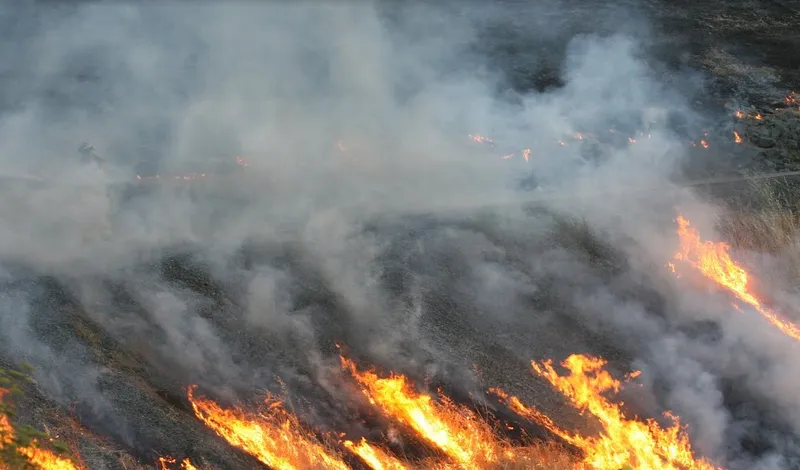
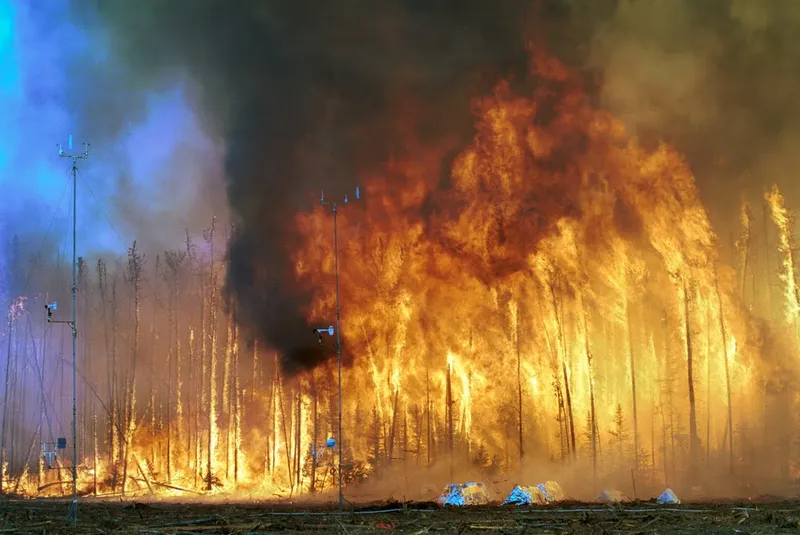
The January firestorm tested the city's water infrastructure as firefighters battled flames across hillside neighborhoods. Hurricane-force winds grounded water-dropping aircraft, forcing crews to rely entirely on ground-based hydrants and tank reserves. Water demand surged to roughly four times the normal rate for 15 hours straight, quickly depleting three 1-million-gallon hilltop tanks and causing dangerous drops in water pressure.
The fire ultimately claimed at least 30 lives and damaged or destroyed more than 18,000 homes and buildings across Pacific Palisades, Altadena and nearby areas.
Even after the initial cover repairs were thought complete in March, crews discovered additional tears and pinhole leaks in April when they began refilling the reservoir for testing. This forced another drainage and repair cycle.
"Repairs took longer than expected, as rainstorm damage, sun exposure and wildfire embers had further deteriorated the cover's condition," said Adam Perez, LADWP's interim director of water operations. "It was a delicate balance between expediting repairs while ensuring there are no remaining issues with the cover when we put the reservoir back in service."
The final repair effort required divers to locate and seal tiny leaks in the cover's fabric. The reservoir is now partially filled with about 45 million gallons — roughly 38 percent of its total capacity — and has passed extensive inspections and water quality testing.
Santa Ynez Reservoir serves as supplementary storage during peak demand periods and provides backup if trunk lines or other infrastructure face problems. Unlike open-air emergency storage tanks used for firefighting, the covered reservoir is part of the drinking water distribution system and must remain sealed for safety and regulatory compliance.
LADWP officials said the agency's primary water supply remained operational during the fire and continued to meet fire code requirements even with the reservoir offline. However, the timing of the outage has prompted calls for infrastructure improvements.
California Governor Gavin Newsom ordered an independent investigation into the water pressure failures and the reservoir's deactivated status immediately after the fire. The Los Angeles City Council also demanded a formal analysis of the city's water infrastructure resilience.
"This points to a need for improvement in how the city manages infrastructure," Park said, noting that water facilities must be "emergency-ready" whenever disaster strikes.
LADWP engineers are now exploring enhanced floating cover designs to improve durability and extend service life, aiming to prevent similar prolonged outages in the future.
The reservoir's return to service comes as the region continues recovering from the January fires and preparing for the ongoing wildfire season.