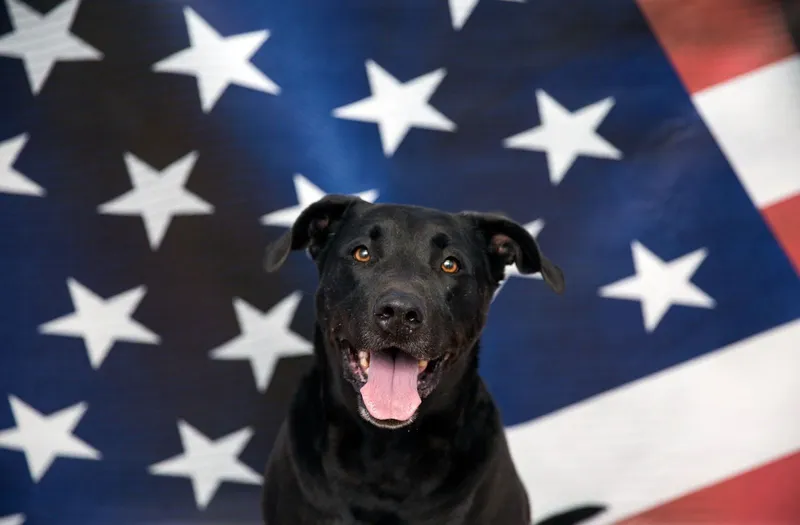
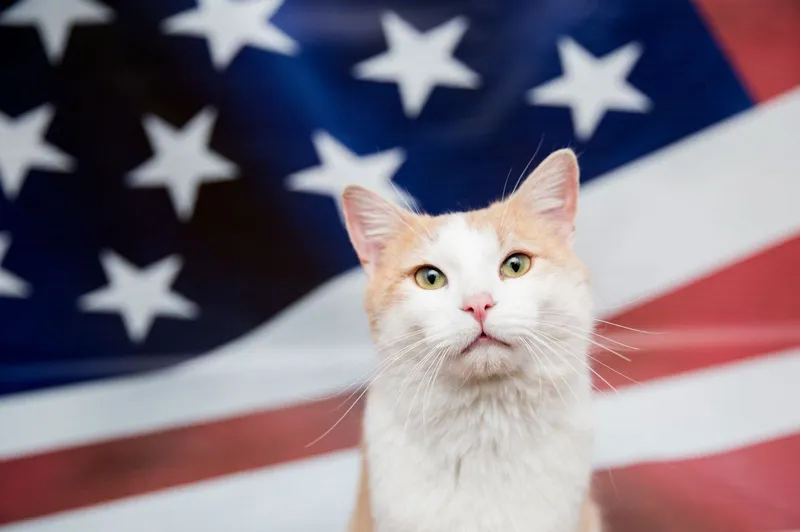
Animal shelters and emergency veterinarians across the nation are preparing for one of their busiest periods as Independence Day celebrations create dangerous conditions for millions of cats and dogs.
July 4th ranks among the most hazardous days of the year for pets, with animal shelters reporting a 30% to 60% spike in stray pet intakes during the holiday period, according to national shelter data. Emergency veterinary clinics see similar surges as injured pets flood facilities.
July 5th consistently ranks as one of the top three highest intake days for stray animals nationwide. In 2023, it ranked as the third-highest day for stray pet intakes across U.S. shelters, with thousands of additional dogs and cats entering facilities after fleeing fireworks displays.
The combination of explosive sounds and summer heat creates multiple threats for pets. Fireworks produce sound levels ranging from 150 to 175 decibels — louder than jet airplane takeoffs and well above levels that can damage hearing. For pets with more acute hearing than humans, these booming sounds trigger panic responses that can prove deadly.
Approximately 40% to 67% of dogs suffer from noise phobia, with fireworks and thunderstorms being primary triggers. Terrified animals often attempt desperate escapes, breaking through windows, jumping fences or fleeing miles from home. Emergency rooms treat numerous cases of pets injured while trying to escape the noise, including dogs requiring surgery after leaping from windows or suffering lacerations from broken glass.
The heat factor compounds the danger. Dogs can die from heatstroke in less than an hour of vigorous activity on hot days, and panicked pets running from fireworks face severe dehydration and overheating risks.
Perhaps most concerning, only about 14% of pets lost during the July 4th period ever return home, meaning the vast majority of holiday runaways are never reunited with their families.
Best Friends Animal Society, a leading national animal welfare organization dedicated to saving the lives of dogs and cats in America's shelters, has issued updated safety guidelines urging pet owners to take proactive steps during holiday celebrations.
"When planning this year's Fourth of July celebrations, it's important to take our pets into consideration," the organization stated. "From fireworks to parties, these festivities are often frightening for cats and dogs."
The organization recommends pet owners learn when local fireworks displays are happening and bring all pets indoors ahead of time. Dogs and cats will appreciate a quiet room with windows closed, curtains drawn and the familiarity of their favorite toys, bed or blanket. To provide additional comfort, pet owners should try playing calming music or turning on the television for background noise to help drown out fireworks outside.
Food safety presents another significant concern during barbecues and gatherings. Barbecues during the holiday weekend may be filled with summer food staples like avocados, grapes, ice cream and onions — all of which can be toxic to dogs and cats. For those wanting to give pets a fun summer treat, Best Friends suggests trying frozen pet-approved fruits and vegetables like watermelon, blueberries or carrots for a healthy and cool treat.
The organization emphasizes that pets should stay home rather than attend parades or fireworks displays, as crowds and loud noises create stressful and potentially dangerous situations.
"Generally, pets aren't fans of noisy crowds, explosions, marching bands, or fire trucks," Best Friends noted in their safety advisory.
Critical preparation includes ensuring pets wear updated identification tags with current contact information. Having updated contact information available on an ID tag or microchip will help pets and their people be reunited should they get spooked and run off, as proper identification dramatically improves reunion chances for lost animals.
Pet owners should also locate contact information for emergency veterinary clinics and nearby shelters before celebrations begin, enabling swift action if medical emergencies occur or pets go missing.
For those planning to set off fireworks at home, it's essential to promptly clean up all trash and any leftover materials from the explosives before letting pets back in the area. Fireworks typically contain a variety of chemicals and heavy metals that are toxic to pets if ingested, making it important for pet owners to be vigilant about not letting their pets put unknown items in their mouth when in the yard or on walks.
As temperatures rise nationwide, it's also important to remember that studies show the internal temperature of a car on a 70-degree day can rise to 89 degrees in 10 minutes, and to 104 degrees in as little as a half hour, making it imperative to not leave pets unattended in vehicles.
As communities prepare for Independence Day festivities, animal welfare advocates stress that a few precautionary steps can prevent pets from becoming part of the annual surge in holiday emergencies that overwhelm shelters and veterinary clinics nationwide.
Additional pet safety information is available at bestfriends.org.