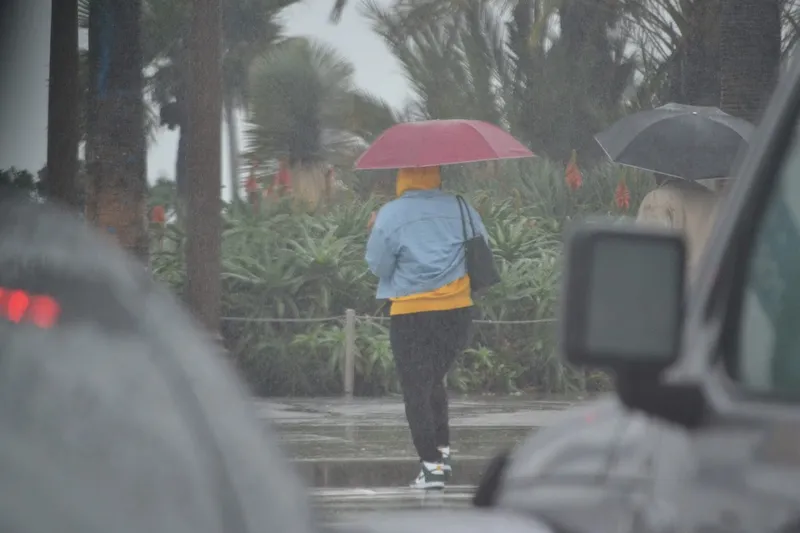
After two years of record-breaking rainfall that soaked Southern California, Santa Monica has experienced a dramatic reversal, recording only half its normal precipitation this season while enduring brief but intense weather extremes that have tested the coastal city's resilience.
The 2024-25 wet season has delivered approximately 7 inches of rain to Santa Monica, compared to the typical 13.5 inches the city usually receives by early June. This stark deficit follows two exceptionally wet winters when the city recorded over 25 inches annually, nearly double the historical average.
This swing from very wet to drier-than-normal within a year is somewhat unusual climatologically, illustrating California's high precipitation variability. The dramatic shift has raised moderate drought concerns across Southern California, though groundwater and reservoir levels continue to benefit from the previous years' abundant rainfall.
The season's most significant weather event struck in mid-February when a series of Pacific storms delivered what meteorologists called "the strongest storm in a year." The February storm system dumped 1.5 to 3 inches of rain across coastal areas, causing localized street flooding and prompting National Weather Service warnings about debris flow risks in burn-scarred regions.
Santa Monica recorded approximately 2 to 3 inches from that single storm, making February the only month this season to exceed normal precipitation levels with 3.8 inches compared to the typical 3.3 inches. The intense rainfall caused minor urban flooding with ponded streets, though no major damage was reported in the well-drained coastal city.
The weather pendulum swung in the opposite direction during late May when an early-season heat wave brought summer-like conditions to the region. A strong high-pressure ridge pushed inland temperatures into the 90s and low 100s, while even the typically temperate coast experienced unusual warmth.
Santa Monica reached the mid-to-upper 70s, with nearby Los Angeles International Airport tying its record high of 78 degrees. The temperatures registered 8 to 15 degrees above normal for late May, prompting heat advisories and precautionary warnings from officials after heat-related rescues occurred on area hiking trails. The rollercoaster temperatures will continue this week with recent warmer temperatures giving way to a cooling trend over the weekend.
Despite these dramatic swings, Santa Monica's overall temperature trends have remained remarkably close to historical averages. May 2025 finished about 0.7 to 1.0 degrees cooler than the 1991-2020 average for coastal Los Angeles, with the brief heat wave balanced by extended periods of marine layer cooling.
The city has returned to its signature ‘May Gray’ and ‘June Gloom’ weather patterns, characterized by morning fog and afternoon clearing. The marine layer has been particularly persistent this spring, with humidity frequently reaching 90 to 100 percent at dawn before dropping to 50 to 70 percent levels by afternoon.
During 2022-23 and 2023-24, Santa Monica experienced extremely wet conditions, including rare events such as a tropical storm in August 2023 and multiple atmospheric river storms that brought beneficial but sometimes damaging rainfall totals.
Most other months this season recorded well below average precipitation. December saw virtually no rain with only 0.01 inches compared to the normal 2.3 inches, while January contributed just 1.2 inches against the typical 3.3 inches. April and May added only trace amounts as Southern California's rainy season effectively ended by early spring.
As the city heads into its naturally dry summer season, significant rainfall is unlikely until fall, suggesting 2024-25 will rank among the driest years of the past decade for Santa Monica.