

tle. He sees people’s attitudes change dramatically when they cast.
“At night, we have some of the worst people down here, gang-bangers,” Velaski said. “When they get down here and start fishing, they become a whole different person altogether. They become nicer, more relaxed.”
Tagulao said he has met some of the most genuine people while fishing at the pier. When he first started making fishing trips there, he admits he wasn’t as skilled as some of the others, but that didn’t matter. People were willing to show him the ropes, typically asking nothing in return.
“The first time we came down here, we weren’t prepared at all,” he said. “We did-n’t have any bait and we didn’t know how to cast. They gave us some bait and even some of their fish too. There are really good people down here.”
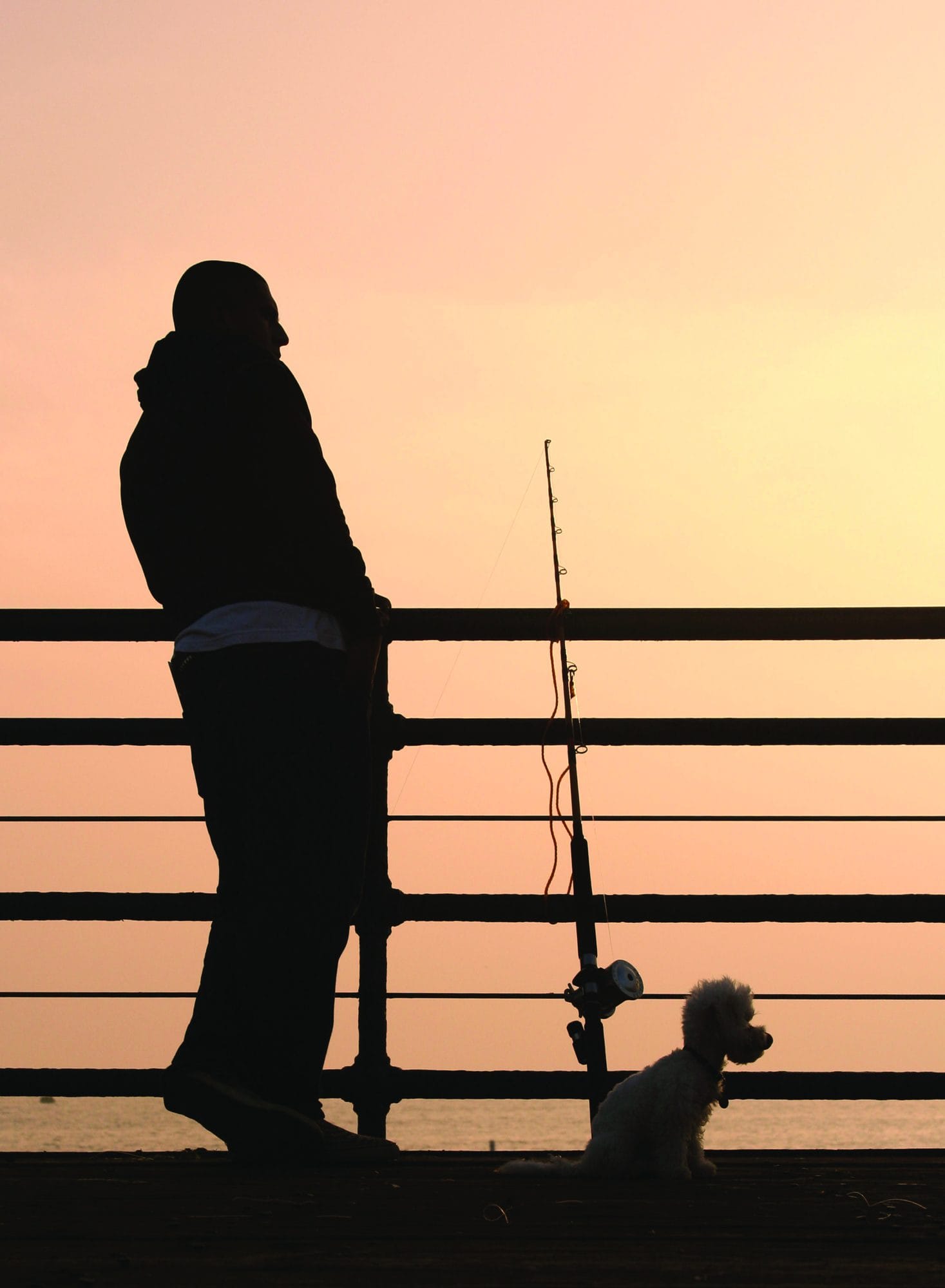
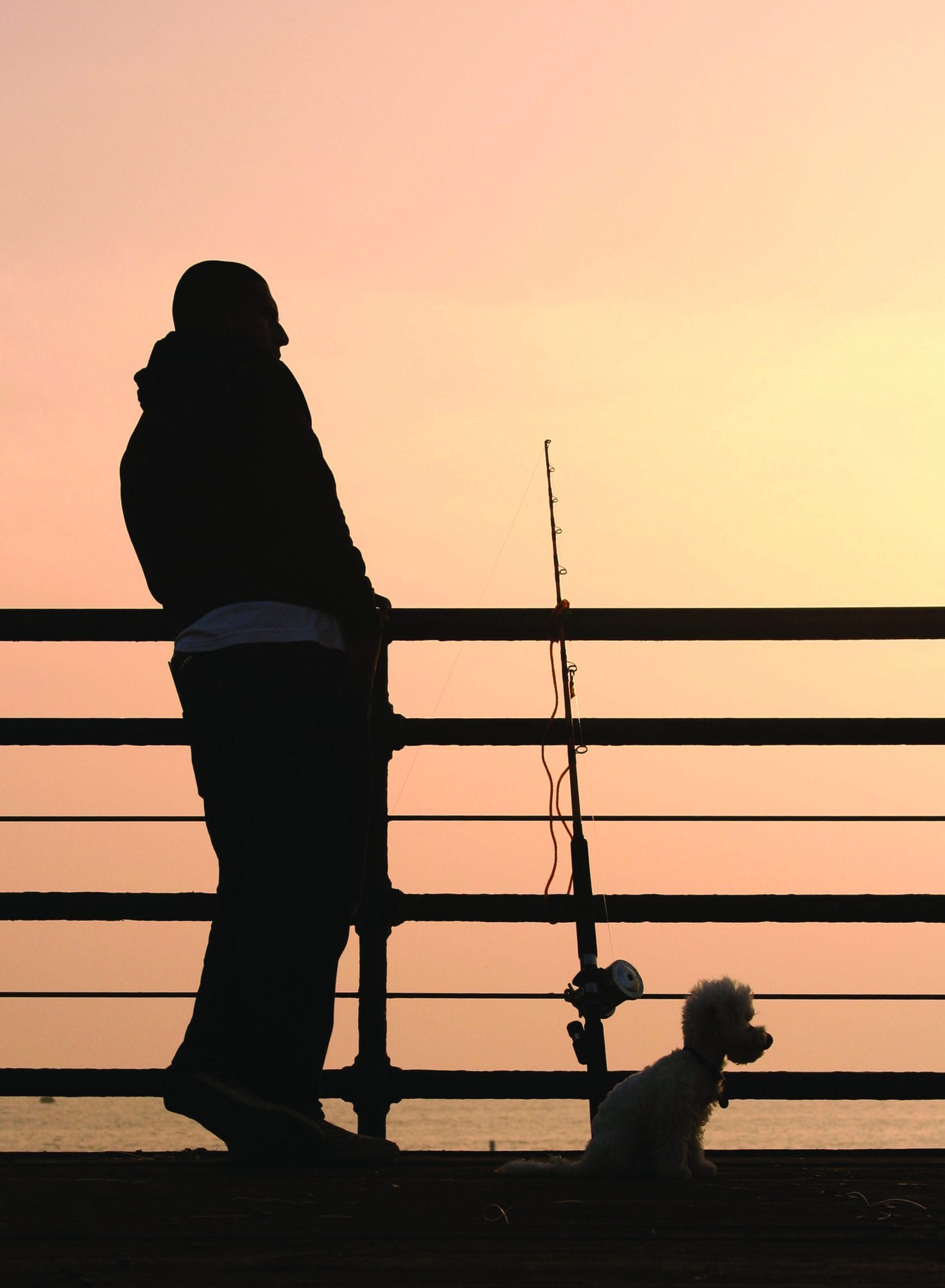
Francisco Ramirez can attest to that. Whenever he’s frustrated or angry, he likes to drive down to the pier, particularly before sunrise, and let his troubles drift with the tide. He talks with some of his fishing buddies and they offer each other advice. He believes the pier is the best psychiatrist’s office around. Not only does he get good advice and can talk about his problems, he has the best scenery for which to do it.
“Look around you,” said Ramirez, a broad shouldered, burly man with a thick mustache and calloused hands from spending years in construction. “There’s nothing out here to distract you. It’s just you, the ocean and those fish down there … You’re not really thinking about anything else (when you’re fishing). You’re just staring out at the ocean, listening to the waves.
“It’s the most calming thing out there,” Ramirez said, as he reeled in his empty hook, the anchovy he used as bait now gone with no fish to show for the effort. “Even if you don’t catch anything it’s still a good time. Everything just seems to slow down when you’re fishing.”
Originally published in the Santa Monica Daily Press print edition on November 24, 2007. Read the original PDF.