

City Hall installing integrated traffic signal system to improve traffic flow
DOWNTOWN City Hall is hoping to minimize the “stop” in stop-and-go traffic.
While it might seem an impossible task given the notorious level of congestion on the Westside, city officials believe that a new integrated traffic signal system will go a long ways toward improving the flow of traffic on city streets.
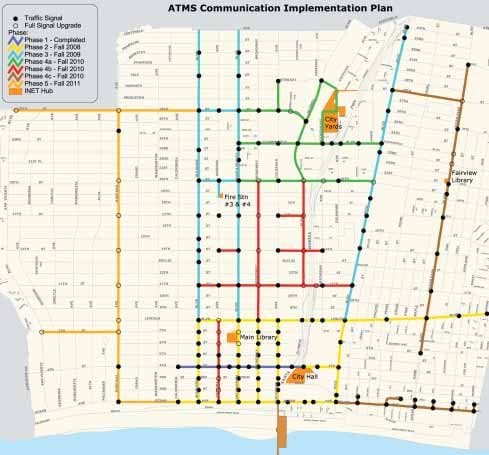
The second phase of a five-year program to install the new network, which would interconnect all 160 signals city-wide to a centralized location, is nearing completion. The long-awaited effort, estimated to cost $21 million, is designed to synchronize all of the city’s stop lights, allowing control over the entire system from a traffic management center.
“It synchronizes movement so that the traffic flows more smoothly,” Eileen Fogarty, the director of planning and community development, said. “It basically works better and works more quickly.”
Part two of the project includes upgrading 47 signals in Downtown. Estimated to cost $3.5 million, all components of the phase will be up and running this winter. The first phase, which was completed in 2006, covered a stretch of Fourth Street from California Avenue to Olympic Drive.
The third phase, which will begin in early 2009, will cover the major transit boulevards — Wilshire, Santa Monica, Pico and Lincoln — and include new technology that would reduce delays on the Big Blue Bus and Metro Rapid lines. The new system will also provide real-time information tracking bus locations.
The bus portion of the project will be paid through $4.7 million in grant funding provided by the Metropolitan Transportation Authority.
“It will make sure that transit can move if we have buses,” Fogarty said.
The new network will heighten communication between the signals and allow central control in times of planned and unforeseen circumstances that could impact traffic, including lane closures and accidents. The timing for each traffic signal is currently manually set.
“If we have a planned construction project or special event, we can plan to move the traffic knowing we have a different condition,” Ellen Gelbard, the assistant director of planning and community development, said.
The new system will allow modifications to be made from a remote location on a computer screen as opposed to manually changing the timing.
Many areas of the city, including Downtown, could see newly replaced traffic signals, though none will be added to areas that are currently without one. Some signals will only require minor modifications and will not be replaced.
Congestion has long been the bane of commuters, many griping about the snail’s pace of traffic in the city, particularly in Downtown where the problem worsens during special events and the holiday season.
“The traffic is very stop and go,” Lauren Berger, who works in Santa Monica, said.
Berger estimated that during the height of congestion, it can take about 20 minutes to go from the parking garage at Arizona Avenue and Fourth Street to the I-10 Freeway entrance just a few blocks south. She added that she avoids the area on the weekends because the traffic seems to worsen.
Eric Andrews, who works in Santa Monica, said he would like to see the traffic signalization improved for pedestrians. While he drives to work, Andrews opts to walk during the day.
He said it would be beneficial for pedestrians if they can walk several blocks without having to stop for a light.
“It can take a long time to wait for the light,” Andrews said.
The project is expected to conclude in 2011. City officials have not designed the later phases as they explore ways to use technology to bring the cost down, such as going wireless.
“It will decrease the time and increase the movement of transit and cars along the major boulevards,” Fogarty said.
Originally published in the Santa Monica Daily Press print edition on August 27, 2008. Read the original PDF.