

Not enough food to go around
No need to look 3,000 miles away for effects of the terrorist attacks and subsequent market downturn, say local food banks.
Many community service agencies say they are struggling to fill the void left from diverted resources sent to help families in New York and Washington D.C., and the cutback in donations attributed to the shrinking economy.
Also, increased unemployment — caused by everything from fewer people flying to fewer visiting — has left more people in southern California without work than in five years, causing the number of families depending on charity to swell, activists say.
“We feed the homeless — the lowest wrung of society — to seniors living on a fixed income,” said Kimm Baersch, development director at the Westside Food Bank. “But the majority of our food goes to working poor families.”
And the working poor, many of whom were the first cut at local airports and hotels, are swarming to local food pantries for relief.
“Many of these people before had to ask themselves ‘Do I want to pay rent or buy food this month?’ and now they can’t do either one,” said Baersch. “Nobody should go hungry. There is plenty of food, it just takes a shift in the public’s perception to get it to them.”
But with increased need for aid at home and abroad, many community agencies are seeing their supplies spread thin, and many food bank officials say they will be unable to serve a traditional holiday dinner.
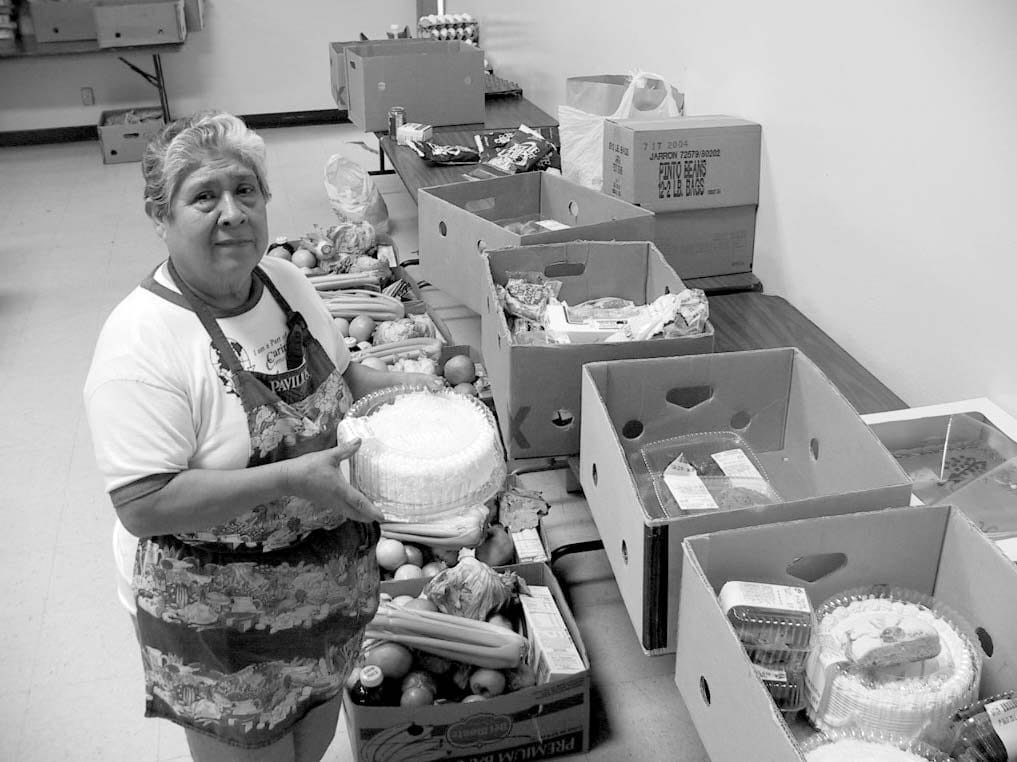
“This year it doesn’t look like we’ll be able to give out turkeys for Thanksgiving,” said Jim Teutimez, an administrator for St. Ann’s Catholic Church, adding St. Ann’s feeds about 100 families a week. “Every year someone always comes through with a few turkeys, but not this year.”
“We’re very thankful we at least have these.”
The amount of food the church distributes to families varies each week depending on how many people are in need and the amount of reserves they have available.
“There has been an influx of people who are out of work, and we have seen the number of people coming into our community center increase because of that,” said Teutimez. “We’re feeling the pressure but thankfully we have so far been able to take care of everybody.”
The Ocean Park Community Center has seen a 50 percent drop in the number of turkeys donated this year.
“But it’s way better than nothing,” said Barbara Mork, project director at the center.
The community center, which serves 200 individuals daily, searches Santa Monica streets for the homeless, and helps them find shelter and a free meal.
“It looks like there are more families coming in (resulting) from a loss of income or because there is no income. There have been a significant number of layoffs in the area and Santa Monica isn’t a cheap place to live,” said Mork, adding the outreach center recently cut back giving sack lunches from all day to 9 a.m. to noon. Yet the center now gives out the same number of lunches during the restricted hours as it did during the daylong program.
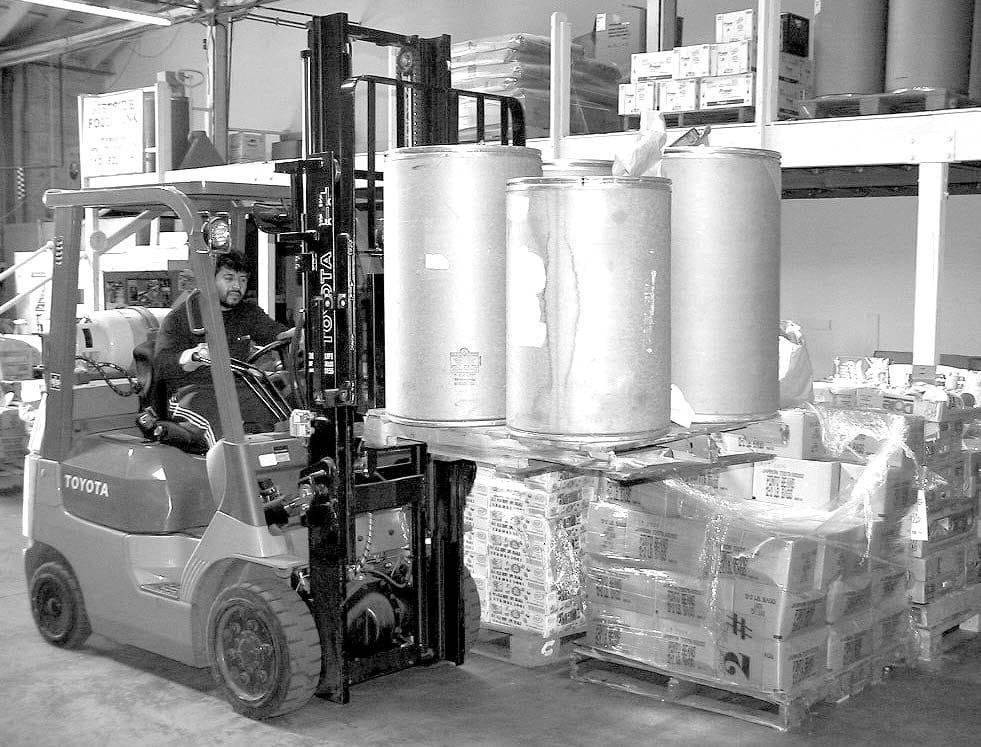
“I’m very worried,” said Mork. At the 8,000-square-foot warehouse owned by the Westside Food Bank — which provides packaged and perishable food to 65 social service agencies in Santa Monica, Venice, Culver City, West Los Angeles, Inglewood, and West Hollywood — a new walk-in refrigerator sits largely empty, and the freezer won’t be able to hold meat and other perishable items until it can be repaired.
To rejuvenate its supplies, the organization is holding a food drive until late next month at its 22nd Street warehouse, the Santa Monica Chamber of Commerce or at any number of bins stationed at local businesses.
The Westside Food Bank said it supplies 70,000 people each year with food — half of whom are children — on an $800,000 annual budget.
“One extra can of tuna a week can make a real difference,” said Baersch. “I mean how many latte’s can we buy before we realize the same amount could really make a difference (feeding the poor)?”
Originally published in the Santa Monica Daily Press print edition on November 21, 2001. Read the original PDF.