

In his directorial debut, “Love Actually,” veteran romantic-comedy scribe Richard Curtis (“Bridget Jones’s Diary,” “Notting Hill,” “Four Weddings and A Funeral”) weaves a dizzying array of love affairs into a pretty comforter that, even though it’s got a few holes in it, should provide plenty of warmth this holiday season. As Hugh Grant observes during the film’s opening sequence, in Curtis’ snuggled-down idyll “Love actually is all around.”
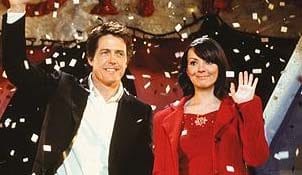
Boy, is it ever. The love lines include: Grant, Curtis’ go-to guy in this ensemble cast, as Britain’s charming new Prime Minister who falls for a member of his staff (Martine McCutcheon); Liam Neeson plays a widowed stepfather trying to connect with the young son he hardly knows; Emma Thompson is expectedly excellent as a housewife who suspects her husband (Alan Rickman) is straying; Colin Firth’s a lovelorn writer who finds romance where he least expects it; and “It Girl”
Keira Knightley unwittingly holds the keys to a pair of best friends’ hearts.
There are three other stories going on as well, but only one — about an aging pop star (a hilarious Bill Nighy) on an unlikely comeback trail — merits our attention.
And pay attention we must, because there is a lot going on in “Love Actually.” Too much, actually, which is why this film — while likable — will soon be forgotten. Ten different story-lines running concurrently is too hard to follow, especially when only half of them are interesting. The usually superb Laura Linney is in this picture, but in a part so dreadfully underwritten, it’s a wonder she agreed to do it. Same goes for Knightley — blink, and you might miss her. And since we’re quibbling, it should be noted that, with the exception of Nighy and Grant, Curtis — normally a very generous jokester — fails to provide his key players with the level of witticisms we’ve come to expect. Maybe all the love made him dizzy.
Originally published in the Santa Monica Daily Press print edition on November 7, 2003. Read the original PDF.