

Jet traffic could take off with FAA proposal
Residents near the Santa Monica Airport are concerned about a proposed new rule by the Federal Aviation Administration that may make Santa Monica Airport a busier place for large business jets.
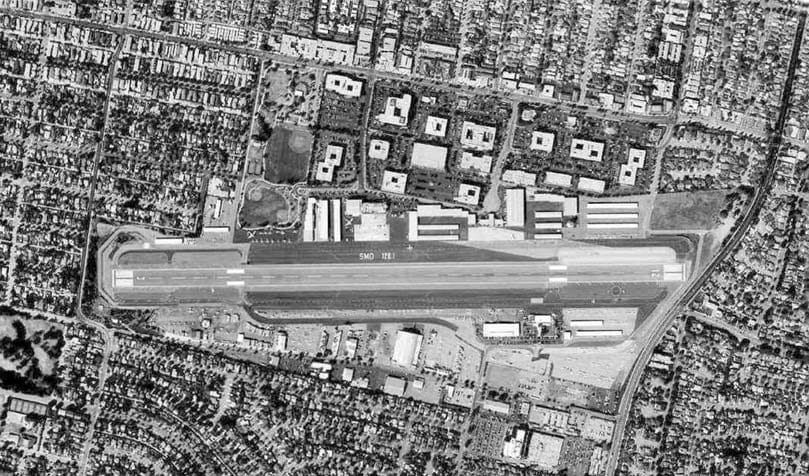
The neighbors fear an increase in the number of large jets flying overhead and landing closer to their homes, some of which are only 250 feet from the end of the runway.
The FAA wants to allow charter companies to use more runway space than is currently permitted. Charter aircraft must adhere to tight restrictions because they are considered commercial operators. But jets owned by several people do not have to follow the same regulations because the FAA considers them individually-owned aircraft.
As a result, the number of jets owned by several people has skyrocketed in recent years, creating competition for charter operators who claim they lose business because they are hamstrung by FAA rules.
Jets with multiple, or fractional owners, currently operate free of landing restrictions. Charters, however, are allowed to use only 60 percent of the available runway space, limiting the type of planes that can land.
As a compromise, the FAA is proposing that both aircraft operators be allowed to use 75 percent of the runway. But airport and city officials said that compromise was agreed upon by a committee made up predominately of fractional owners and charter companies, with little or no say-so from area residents and airport officials.
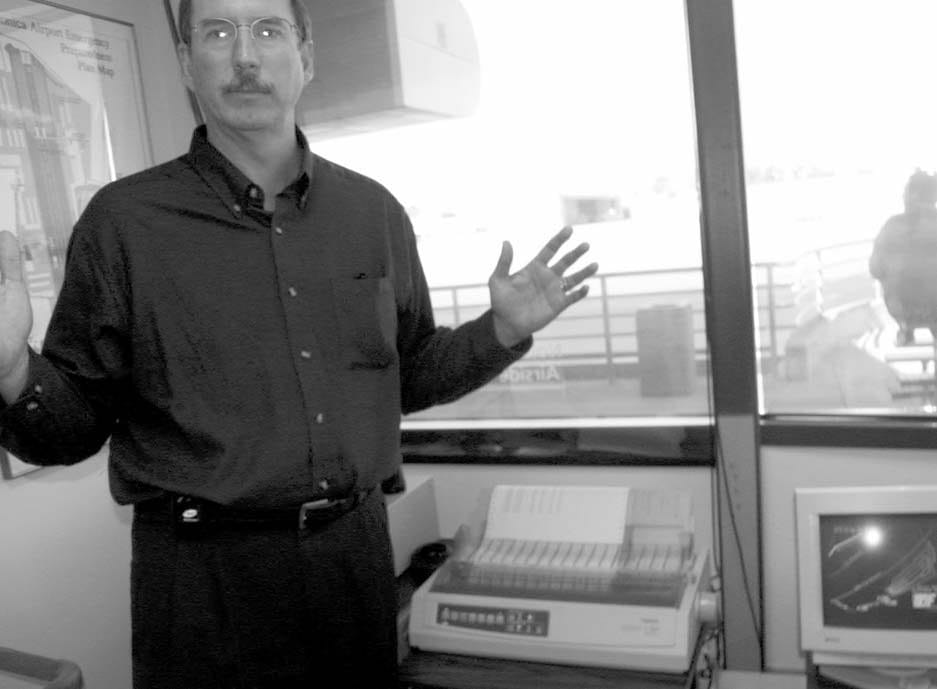
“We think it’s been rushed without proper input from the residents,” said Santa Monica Airport Manager Bob Trimborn. “We see this as being a very preliminary rule.”
Local officials believe fractional operators are third party businesses that are essentially commercial operations whose fleet structure impacts local airports as much as charters. Local officials want the FAA to undertake a comprehensive study of the impact fractional jets have on airports and their communities before enacting any new rules. They also want equal representation on a committee to consider those impacts, as well as a full technical study and environmental impact review of the proposed rule change.
“We have several concerns on how they view fractional companies as a noncommercial venture,” said Marty Tachiki, deputy city attorney. “They (the FAA) are compromising safety for money.”
“We have several concerns on how they view fractional companies as a noncommercial venture. They (the FAA) are compromising safety for money.” — — MARTY TACHIKI Deputy city attorney
The FAA is reviewing comments on the proposal before issuing a decision. The Santa Monica Airport and the city of Santa Monica have both weighed in.
Fractional ownership is the fastest growing segment of business aviation, increasing more than 50 percent per year for the past three years. At Santa Monica Airport, there used to be between four and six fractional jets taking off each day. Now about 17 such jets take off every day, said Tachiki, though those jets only account for a small fraction of the daily activity at Santa Monica Airport. There are about 225 take-offs and departures every day, he said.
The four major fractional ownership businesses are Warren Buffet’s Executive Jet/Netjet, Bombardier’s Flexjet, Raytheon’s Travelair and Flight Options — all of which use Santa Monica Airport as part of their day-to-day business. And the FAA is feeling the pressure from these high profile business owners.
“There are people out there that want to make money or have the access so they aren’t going to let this die,” Trimborn said.
“There are people out there that want to make money or have the access so they aren’t going to let this die,” — — BOB TRIMBORN Santa Monica Airport manager
Leading fractional ownership programs now manage 450 aircraft on behalf of 1,800 owners, completing 500 flights daily. Growth is expected to continue well into the future, particularly because people find it more convenient. Some airline companies are finding fractional ownership to be more cost effective, as well. United Airlines is entering the fractional ownership market, buying about 200 business jet aircraft so it can recapture the first class passengers it has been losing to fractional ownership programs.
“There has been a significant growth in charter and fractional ownership at regional airports,” said Trimborn. “All jet operations have increased since the 11th.”
Business executives find fractional ownership jets more convenient, particularly after Sept. 11, because they can bypass congested airports that are bogged down with heightened security measures, he added.
“It takes less time because there is less security and they can be more productive by having meetings on the plane,” Trimborn said. “Time is money for corporations and these airports provide better access and less hassles.”
Corporations also are finding value in investing in fractional ownership companies because they can get huge tax breaks from the government.
Santa Monica Airport is in a precarious position. It is trying to balance the increased number of fractional ownership aircraft and the expected increase of charter companies — if the FAA gives them more room to land here.
“Our job is to maintain the facility in the safest manner,” Trimborn said. “We are looking at this mix and trying to deal with it.”
A November plane crash at Santa Monica Airport has gotten the attention of U.S. Rep. Henry Waxman, D-Calif., who has urged the FAA to make the airport safer for area residents.
Waxman recently wrote a letter to the FAA expressing his concern over the length of runway space and how that could translate into larger jets coming in and out of the airport. Residents in the area want the runways to be shortened at both ends, creating a buffer zone.
Residents have asked for an airport safety review after a Cessna 340A skidded off the runway and burst into flames Nov. 13, killing both passengers. Some residents are worried that an increase in the volume of larger planes would bring a new level of threat to their homes.
Originally published in the Santa Monica Daily Press print edition on January 15, 2002. Read the original PDF.