

Spending a lot for a little time Lessons learned in water rescue
By KIM CALVERT Special to the Daily Press
SM PIER — The Harbor Patrol worked towards saving a different clientele on Wednesday, demonstrating water rescue procedures and how to become a Harbor Patrol officer to children in need of a brighter future.
Approximately 10 youths, between the ages of 8 and 14, from a residential care facility for abused children were treated to demonstrations courtesy of Santa Monica’s Harbor Patrol.
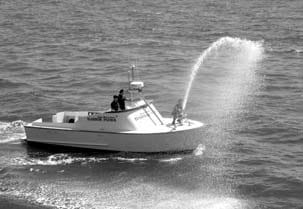
The Harbor Patrol officers explained how they handle emergency situations on the pier and the surrounding harbor area, which included a mock water rescue as well as a demonstration of a fire-fighting boat that shoots sea water at the rate of 500 gallons per minute.
The presentation was just one of many duties performed by the Harbor Patrol, which handles emergency and safety issues, along with educational events for area schools.
Sgt. Steve Heineman, who leads Harbor Patrol efforts from its headquarters at the end of the Santa Monica Pier, told the gathering that one of the most daunting problems they faced were people who attempted to jump off the pier.
“Most of the time they’re showing off, but once they’re in that cold, deep water they have second thoughts,” he said. “They usually try to hang on to the pilings and end up getting cut up by the barnacles and the mussels.”
Heineman said the Harbor Patrol consists of six permanent officers and 11 “as needed” officers trained to respond to fires and medical emergencies; maintain the buoys along the breakwater; gather marine evidence and weather information. The patrol works hand-in-hand with the Coast Guard and the city’s other emergency response agencies.
Senior Harbor Service Officer Wayne Salkowski, who has been on the Harbor Patrol for 28 years, said in order to become a harbor patrol officer, applicants must have a lifeguard certificate, scuba certification, an Emergency Medical Technician (EMT) certification that includes training on an auto-defibrillator, and significant boating experience.
Once hired, new officers are on a 12-month probationary period and must complete 40 hours of rescue boat training and 40 hours of marine fire-fighting school. The officers also need to attain an advanced scuba diving certification and learn how to safely make arrests.
“Even after that, we still have to consistently train and practice our skills,” Salkowski said. “We’re the first line of defense for any problems that come up in this area.”
Originally published in the Santa Monica Daily Press print edition on March 31, 2005. Read the original PDF.