

Crawling on South Beach
By John Blanchette SPECIAL TO THE D A I LY PRESST John Blanchette Special to the Daily Press The call of South Beach has attracted some of the world’s greatest chefs, in addition to beach-goers. he day I flew into Miami, Fidel Castro had ceded power to his brother and all of Little Havana was dancing in the streets, celebrating news they had waited to hear for 47 years. About 900,000 Cubans have left their native land since Castro took over in 1959, most settling in Miami, and they still wait for the old country to welcome them home.
But the younger generations raised In Florida have no memory of Cuba. They are enjoying the prosperity, tropical bounty and multicultural landscape that have made Miami an international destination for many from the Caribbean and Central and South America.
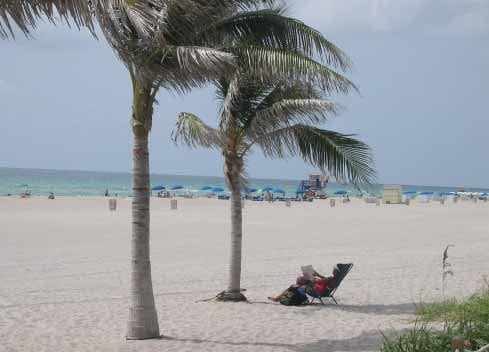
A walk on the beach may open your eyes to the vast number of Europeans who have also discovered the warm sun, white sands and aqua-marine waters of Miami Beach. Be ready for the clothing optional lifestyle preferred by the Mediterranean libertines.
Many European restaurateurs have also discovered the plenty of Southern Florida. Three of France’s greatest chefs — Joel Robuchon, Paul Bocuse and Alain Ducasse — will be opening restaurants in South Beach over the next year, joining many of their contemporaries. Noted American chef Emeril Lagasse recently opened his restaurant next to the Four Seasons Hotel, and another 10,000 restaurants dot the city, serving every cuisine imaginable. Food is a continual topic of conversation, and many chefs remarked that Miami is now the third great-est culinary city in the world, next to Paris and New York.
Johnson & Wales University has opened a campus in Miami, which streams newly educated chefs into the growing restaurant population that is creating this culinary revolution. Called New World Cuisine by chef Norman Van Aken and “Floribbean” by others, it is a cuisine that brings a full range of tropical products and international cooking styles to the creative mix of chefs practicing in Miami.
In the mid 1920s, South Beach was devastated by a series of tropical storms that leveled most of the colonial architecture and turn-of-the-century buildings. Over the next 20 years, the town rebuilt, adopting the popular Art Deco style of the day.
But South Beach fell into disrepair in the ’50s and ’60s, becoming a geriatric slum of nursing homes, low rent condominiums for retirees and snow birds escaping the winter chill, and flop house hotels for students celebrating spring break.
Finally, in the early 1980s, after Gianni Versace raised the lovely Art Deco Revere Hotel to add a swimming pool to his Casa Casuarina estate (where he was later gunned down by a spurned lover on the front steps), a huge protest by preservationists led to a landmark decision. South Beach was the first 20th Century district added to the National Register of Historic Places and more than 800 buildings have been officially saved from redevelopment. Most of South Beach’s unparalleled Art Deco hotels and buildings have been restored to their former glory, creating the elegant ambiance of a bygone era. Take the self-guided Art Deco Walking Tour that begins at 10th Street and Ocean Drive ($15) and see the square-mile Historic District at your leisure.
South Beach throbs with music, dancing and revelry into the deep hours of the evening, where clubs generally reach a crescendo around 4 a.m.
For a pleasant diversion from Ocean Drive, try Lincoln Mall, with its bargain shopping and wide variety of restaurant options. There are great expanses of chairs and tables for open-air dinning and crowd watching, somewhat reminiscent of San Tropez.
DINING AND LODGING: When you are in Miami, you must take advantage of the wonderfully creative and diverse food options available. Little Havana is a must and Versailles Cuban Bakery is ground zero for the community. It is where more than 20 news crews had set up their operations during the Castro death watch and where some of the best and most authentic Cuban food and coffee is dispensed. Be sure and try the meat pastries.
Down the block, you can get fresh tropical fruit drinks pressed in front of your eyes at el Palacio de Los Jugos, hand-rolled Cuban cigars at Cuban Tobacco Trading, handmade Cuban linen clothing at Casa e las Guayaberas, and even pick up a game of bones at the famous Domino Park. Dragonfly Expeditions (www.dragonflyexpeditions.com) offers informative tours of the area.
A fun way to dine and see a bunch of different restaurants is to “café crawl.” Order drinks at one place, appetizers at another, entrees somewhere else, then desserts. After dinner, get drinks at various establishments. This way, you can go to five restaurants a night and start making a dent into this culinary paradise.
We did it on Lincoln Mall one night, with cocktails and appetizers at Chef Jose Mendin’s Sushisamba, a Japanese/Brazilian restaurant (Brazil’s second largest population is Japanese); an exceptional dinner at Pacific Time, voted by Zagat as the best restaurant in Miami; desserts across the street, at Touch; and drinks at The Fifth nightclub, where Paris Hilton and Mickey Rourke were spotted.
By the way, August through September is Miami Spice Restaurant Month and many of the city’s top places have a fixed-price ($20.06 to match the year) lunch menu.
My favorite restaurant of all was Restaurant Brana. Chef Jeffrey Brana was Norman Van Aken’s sou chef. When he closed the Miami restaurant to move to Key West, Brana convinced the kitchen staff and the front house to join him in his Coral Gables establishment, where they are creating culinary history every day (www.restaurantbrana.com). Also in Coral Gables is Belkis Lopez’ Gables Juice Bar, 230 Almeria St., which features refreshing tropical fruit drinks and Ola Steak & Tapas features neuavo Latino cuisine.
At La Cuisine Gourmet culinary store in Coral Gables, we tasted Florida fruit wines (lychee and Passion Fruit) produced by Schnebly Redlan’s winery near Miami, demonstrating that wine can now be produced nearly everywhere.
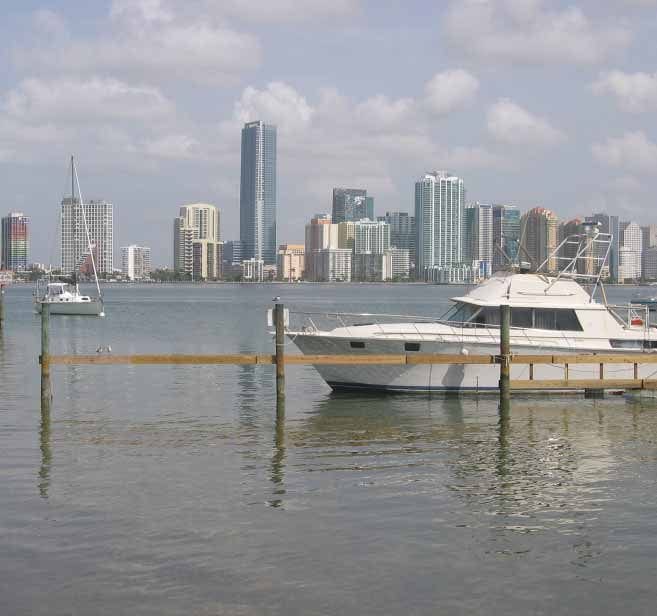
Nevecento in downtown Miami features tropical cocktails and upscale Latin fusion cuisine. Across the street, at the top of the Conrad Hotel, is English Chef Michael Gilligan’s beautiful Atrio restaurant, with a panoramic view of Miami.
Tamara Restaurant is run by young French chef Frederick Delaire. It is located in the beautiful art deco hotel National, which boasts the longest pool in South Beach (www.nation-alhotel.com).
Next door is the Delano, which has the area’s most impressive lobby and also makes the best mojitos in town. French chef Stephane Becht of the Blue Door at Delano is a veteran of several three-star Michelin restaurants in Paris, New York and Los Angeles, and a real rising star. He also did a special dinner I attended at the Biltmore in Coral Gables — the grand lady of Miami’s hotels. Opened in the 1920s, its enormous pool was made famous by Esther Williams and Busby Berkley, with their choreographed water shows (www.biltmorehotel.com).
Trendy restaurants Afterglo and Tantra’s head chef Sandee Birdsong is a Food Network alum who guided us through Culinary Specialty Foods store, where produce from around the world is brought in daily for Miami’s chefs.
When you’re in Miami, a must see is the Sea Aquarium, where you can make reservations to swim with the dolphins and feed Lolita, the largest killer whale in captivity. She’s a finicky eater however, probably influenced by all the fine dinning available in town, and will only eat certain cuts of salmon and other sushi grade fish.
Originally published in the Santa Monica Daily Press print edition on December 2, 2006. Read the original PDF.