

The scoundrel ravages films
By KEN TARR is a student at Santa Monica College, an actor and writer and is also taller than 99 percent of the population. He telepathically or at
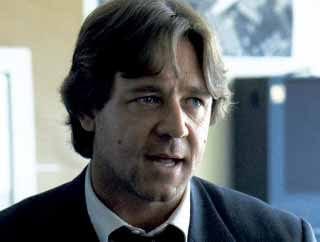
The third film directed by Ridley Scott and starring Russell Crowe, “American Gangster” has a purposely confused identity. The plot has two distinct courses, that very much seem like two separate films, at times to the detriment of the entire piece. Mostly, it works with some suspension of disbelief and thanks to a golden script by Oscar winner Stephen Zaillian (who actually wrote the film as two separate scripts and then united the two — it shows). Crowe’s character (Richie Roberts), a divorced man who chooses busting bad guys and dating women over playing a part in his son’s life.
In the more dynamic of the two plots, Denzel Washington plays Frank Lucas, a man who goes from driver and thug to Harlem drug lord over-night after his boss Bumpy Johnson (Clarence Williams III) suddenly dies. Washington uses many of the same mannerisms and inflections he does in every movie. One could criticize this by saying he is just playing himself. However, he has become so good at absorbing characters into his persona that this along with “Training Day” are two of his best roles. Here he is just as malevolent and cunning as he was in “Training Day,” but in this film he starts out as an underdog.
After seeing a documentary on BET about the same subject, I must say that the film really doesn’t capture the essence of Frank Lucas, who seems to not operate with as much class as Washington does in his portrayal. If the film were more true to life, we definitely wouldn’t root for Lucas and at most times during the film it is easier and more probable that we would be rooting for Roberts, or at least Murphy’s Law, anything so that Lucas can stop victimizing people to get rich as drug-lords often do.
When Lucas needs help he retreats to North Carolina and buys his mother (Ruby Dee) a huge plantation home. He returns with an organized crime family, his brothers. He puts them all to work in New York and New Jersey in legitimate businesses that are cover operations for his heroin enterprise. Huey (Chiwetel Ejiofor, who also starred with Washington in “Inside Man”) is the most developed of these characters, but none of them ever get a distinct plot line or scene of their own. Ejiofor is one of today’s strongest new actors and it would have been great had the film done something unique with his character.
Artistic license is usually taken in stories based on facts. Lucas was real, Roberts was real and nearly everything in the film really happened. However, lots of intimate details and moments between some characters have been omitted and at times the film seems like a color-by-numbers story arc filled with vivid images and performances.
There is nothing legitimately wrong with this film, good performances, interesting production value at all times and it provides a great glimpse into a moment in time where corruption and poverty ran rampant. This being 2007, no soundtrack can seem original. Songs from “Jackie Brown,” “Purple Haze” by Jimi Hendrix and many other songs that have been used in many other films and TV shows are again used in this film, often to the detriment of what’s on-screen.
With all its minor problems, “Gangster” is a very involving film and one of the rare films that tells two stories at once and then brings them together successfully. This film is more than just cheap thrills and popcorn entertainment that I feared it would be. If it could have developed more aspects of the story then the film would have had even more conflict and competing interests and ultimately more drama. Instead it serves as a mixed-up, entertaining dual-biopic that wants to showcase black organized crime and the beginning of the drug war, but doesn’t fully accomplish this.

Originally published in the Santa Monica Daily Press print edition on November 10, 2007. Read the original PDF.