

School, University of Southern California and the University of San Diego.
Leading the pack is Santa Monica High School, which bumped its total from a little more than $17,000 to about $20,300 with a donation on Monday from an anonymous donor who cut a check for three grand.
“I wanted to set a high goal even if we don’t reach it,” said Samohi senior and project leader Kelly Snyder.
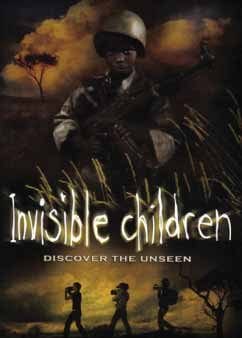
The project was introduced to the student body by Snyder, who has been involved with Invisible Children after watching a documentary by the same name two years ago.
The documentary focuses on four young Uganda boys — Jacob, Tony, Thomas and Boni — and tells the story of their abduction and survival through their eyes. The directors — Jason Russell, Bobby Bailey and Laren Poole — embarked on a trip to Uganda a few years ago and were horrified to discover young children were being trained as fighters by the LRA for their campaign. While many remain prisoners, some have managed to escape.
A big fan of the movie, Snyder has seen the documentary more than 20 times herself. Inspired, she asked every Social Studies teacher at Samohi to show the documentary in their classes this year.
Snyder then convinced the school to hold a series of assemblies in early February after the students had watched the film in their Social Studies classes. It was during these assemblies in Barnum Hall that Snyder and the core group of students in the Northern Uganda advocacy club proposed the Schools for Schools project.
“Our club grew three times in size after Barnum,” said freshman and club member Lior Nachshon.
Since then, the students have been busy raising money, mindful that two students from the winning school of each cluster is invited to Northern Uganda over the summer. Two so-called “wild card” schools nationwide will also be invited on the trip.
Aside from tapping into their parents and friends for support, the students have reached out to the greater Samohi community, selling “Invisible Children” DVDs, black T-shirts reading “My heart is in Uganda,” smoothies, and even enlisting teachers to raise funds in their classes.
The point was to make donating money easy for the students, Snyder said.
In club member Marisa Iannaccone’s class,a teacher had set out a jar, asking students to donate their change. By the time the jar was full, it contained close to $300, said Iannaccone, a freshman.
An Advanced Placement art class hosted an “Art for Uganda”auction,selling student paintings and ultimately raising $1,100. Another class hosted a dinner where they showed clips of the documentary, raising $1,400.
The Schools for Schools project has put things in perspective for these students who say the Samohi community has been able to unite and forget their differences, whether they’re a senior or freshman, a social butterfly or socially awkward.
“This is the one place where we can forget our differences,” said sophomore Haley Kang.
It even makes these students reconsider that trip to the local coffee shop to grab a caramel mocha drink.
“Every time you go to Starbucks, you think about what the money could go toward,” said sophomore Casey Romaine.
To donate to Santa Monica High School’s efforts with Schools for Schools, visit their Web site at http://s4s.invisiblechildren.com/school/santa-monica-high-school. Donations must be made by midnight.

Originally published in the Santa Monica Daily Press print edition on May 16, 2007. Read the original PDF.