

Venice Arts captures the often unseen story of HIV/AIDS
VENICE One of the most telling ways to learn of the tragedies of the HIV epidemic might very well be through the eyes of an orphan affected by the deadly disease.
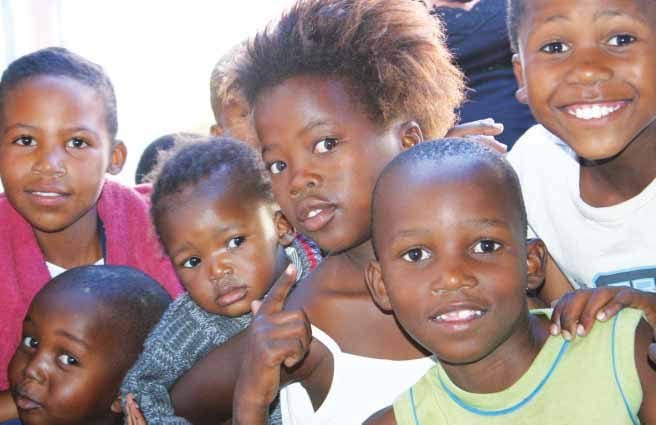
A group of photographers hope to capture the world of an HIV orphan, told through the children themselves, as they embark on a nearly one-month trek today to Mozambique where more than half a million children have been left without parents due to HIV.
Capturing these stories are about 10 photographers affiliated with Venice Arts, a local organization that provides programs in photography, film and digital arts for primarily low-income youth. The team will spend the next few weeks in Maputo, Mozambique, spending the first few days teaching 15 HIV orphans how to use high-end digital cameras before handing the equipment to the kids to document their lives.
It’s the second trip in a two-part series documentary project called “The House is Small but the Welcome is Big.” It’s a project through which Venice Arts tries to raise awareness of HIV and AIDS through the eyes and words of the African people. Last year, a team of photographers visited Cape Town, South Africa, teaching 15 HIV and AIDS affected women how to use cameras. Similar to this project, the women then proceeded to document their world, educating the world about the stigma of living with AIDS and HIV.
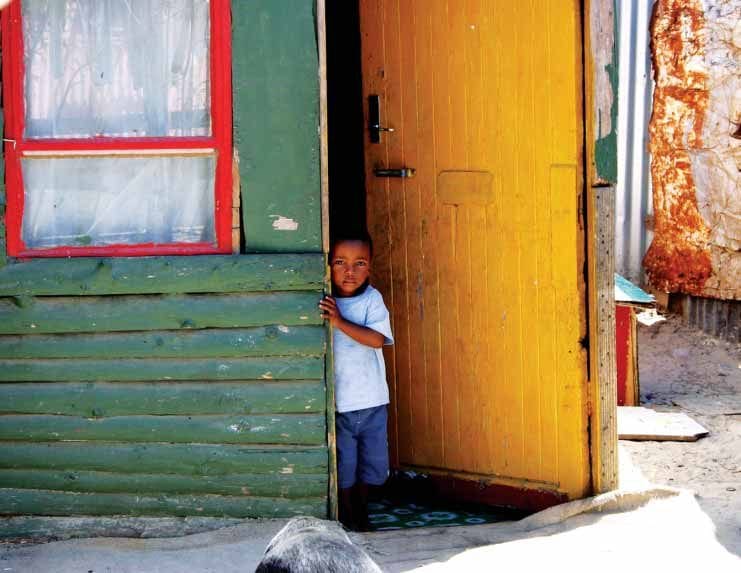
“The kind of conditions of the mothers we worked with were extremely poor,” said Jim Hubbard, the creative director of Venice Arts. “Most live without running water in the shanty towns outside of Capetown, South Africa.”
A photo exhibit — featuring works shot by the affected women — followed the first trip, traveling to 10 venues worldwide. A similar traveling exhibit will come from the second trip, as well as a book.
“That was an anticipation of this project — to speak of the reality and to get the images out there, especially to people in the western world,” said Lynn Warshafsky, the executive director of Venice Arts.
Two of the affected women that participated in last year’s trip really blossomed in the program. Neal Baer, one of the project’s founders, sponsored the two women to attend a photography school in Cape Town.
The photos from the first exhibit show the conditions of the shanty towns, but gave a very positive perception of the women’s lives, showing that despite all negative odds, their spirits were high.
“They’re very zealous about being happy and trying to overlook some of the obstacles they have in life,” Hubbard said. “They were so joyful that a group like us would come along and spend time with them and they loved the opportunity to take pictures.”
The project is a collaboration with the African Millennium Foundation — one of the sponsors — and UNICEF. It was developed after Mozambique President Armando Guebuza began addressing the issue of the increasing number of HIV and AIDS orphans in the country, announcing he wanted to seek solutions.
Many of the children in Africa who are HIV and AIDS orphans, are stigmatized by society, even if they do not carry the strain themselves.
Their surviving family members are usually the first ones to shun the children, said Malena Ruth, the co-founder of the African Millennium Foundation.
Often times, the oldest orphan will raise their other siblings, she said. “(The project) gives a platform to these kids to tell society they are not different from anyone else,” Ruth said.

Originally published in the Santa Monica Daily Press print edition on July 30, 2007. Read the original PDF.