

Local congressman wants information on Cabrillo Port plan
WASHINGTON, D.C. Just days before a controversial proposal to build a natural gas processing plant off the coast of Malibu goes before state officials for review, Congressman Henry Waxman (D-Los Angeles) has expanded his investigation into the reversal of the Environmental Protection Agency’s position on the project.
The chairman of the House Committee on Oversight and Government Reform, Waxman has been looking into whether or not a political appointee of the Bush White House pressured EPA officials to reverse its position and exempt BHP Billiton’s proposed, liquefied natural gas terminal from a key regulatory smog requirement that could sink the project.
In addition to requesting documents from the EPA about the proposal, Waxman last Friday cast a wider net, asking Billiton President Charles Goodyear to fully cooperate in the investigation by handing over any documents and communications relating to the LNG plant.
The U.S. Coast Guard will hold a hearing on the proposal Wednesday in Oxnard. The state Lands Commission, whose staff has recommended approval, will do the same on April 9, followed by the California Coastal Commission on April 12. Gov. Arnold Schwarzenegger is expected to consider the proposal sometime in May.
If approved, the $800-million Cabrillo Port, which would be located roughly 20 miles off the coast of Malibu near Oxnard, would be the first receiving port for natural gas in California and on the west coast.
In a letter to the chief administrator of the EPA, Stephen Johnson, Waxman said a “sound” decision by the EPA to insist that Cabrillo Port be permitted according to air quality standards set by the Ventura County Air Pollution Control was reversed on June 2005 after intervention from a political appointee who “may have been acting after consultation with the White House.”
If the reversal is allowed to stand, Waxman said it will “likely … result in degraded air quality in California, inconsistent application of air quality regulations and potential enforcement difficulties for any mitigation project ultimately adopted by BHP Billiton.”
Waxman is also requesting several e-mails and handwritten notes taken during a phone conversation with the EPA official. Waxman also asks for EPA employees to be made available for interviews with committee staff.
Dale Kemery, a spokesman for the EPA, said “The EPA has been responsive to Congressman Waxman’s request, providing the requested materials and working with congressional staff to respond to questions.”
Officials with BHP said they have received Waxman’s letter and are ready to cooperate.
BHP Billiton, one of the largest energy companies in the world, wants its terminal, capable of processing 800 million cubic feet of natural gas daily for use in homes, factories and power plants, to become the portal through which California receives natural gas from Australia.
Californians are the largest consumers of natural gas in the nation, with about 35-45 percent of all electricity used in the state generated by natural gas, a figure that is expected to rise nearly 44 percent by 2013, according to the California Energy Commission.
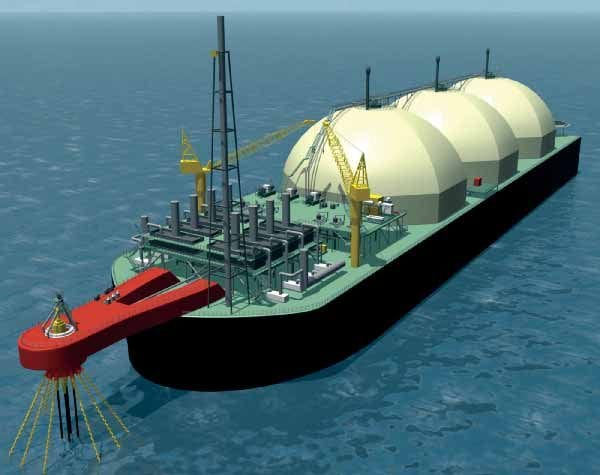
The port will be a floating, LNG terminal that will receive gas from ships and transfer it to land using pipelines connected to the Southern California Gas Company’s onshore natural gas pipeline distribution system. Once operating, Cabrillo Port is expected to meet almost 15 percent of California’s daily natural gas needs.
Environmentalists have been lobbying hard for the project to be scrapped, citing a 300-page report prepared by the U.S. Coast guard, California State Lands Commission and the U.S. Marine Administration that said the processing plant would pose substantial environmental and safety concerns for the California coast.
The study says the terminal would significantly affect air quality, ocean views and marine life. It also concludes that an accident or terrorist attack, while unlikely, could affect ships heading or departing from the nation’s busiest port complex at Los Angeles and Long Beach harbors.
“If this facility is constructed, it would instantly rank as one of Ventura County’s major contributors to smog pollution. It’s common sense that it should fully comply with the Clean Air Act to protect the health and safety of all of the communities it would impact,” said Susan Jordan, director of the California Coastal Protection Network.
“This expanded investigation by the Oversight Committee is further evidence that EPA’s reversal was motivated by politics, not science,” Jordan added.
Representatives with Billiton claim the project will be safe and environmentally sound, utilizing the latest technology to reduce impacts to the land, air and sea.
Unlike other projects, it will in no way utilize or extend the life of offshore oil platforms off the California coastline, officials said.
Originally published in the Santa Monica Daily Press print edition on April 3, 2007. Read the original PDF.